
SARS-COV-2: SPIKE PROTEIN
Coronavirus Disease 2019 or COVID-19 is the largest global pandemic in over 100 years affecting nearly every country on earth. COVID-19 has infected over tens of millions of people with millions of deaths reported to the World Health Organisation since the pandemic started.
Severe acute respiratory syndrome coronavirus 2 or SARS-CoV-2 is the virus that causes COVID-19.
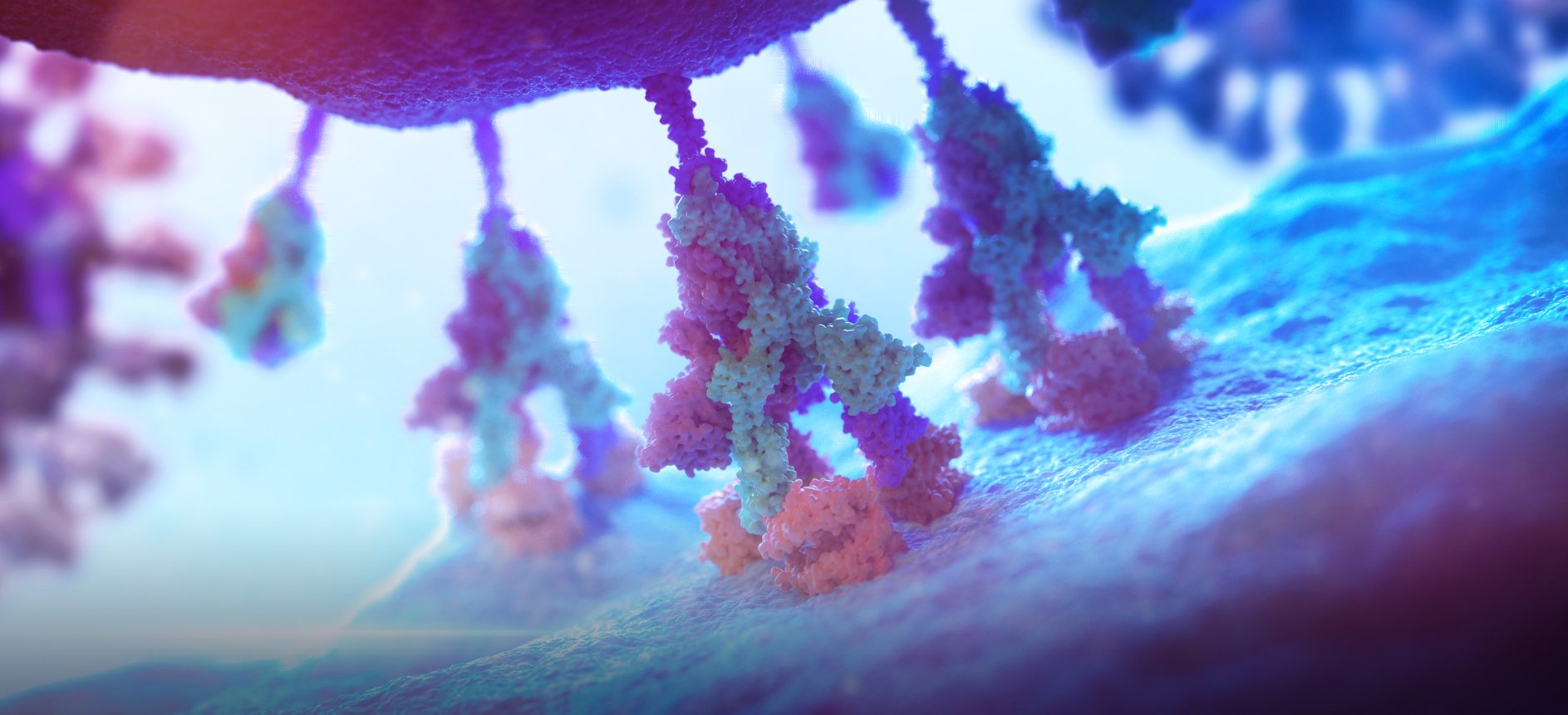
The SARS-COV-2 virus is a member of the coronavirus family of viruses. Its 'corona' or crown-like appearance is defined by approximately 24 ± 9 spike proteins on its surface. It has been discovered that spike proteins are not rigid but instead, they bend and flex to 'seek out' host cell receptors in order to bind with them to initiate infection.
Below is a 3D visualisation showing how the spike proteins move and bend:
The morphological structure and dynamic movement of the spike protein helps the virus easily infect cells by binding to host cell receptors called Angiotensin-converting enzyme 2 or ACE2. ACE2 receptors are highly numerous within the human body, particularly in the lungs.
Below is a 3D illustration of the spike protein (left) along with the ACE2 receptor (Right).
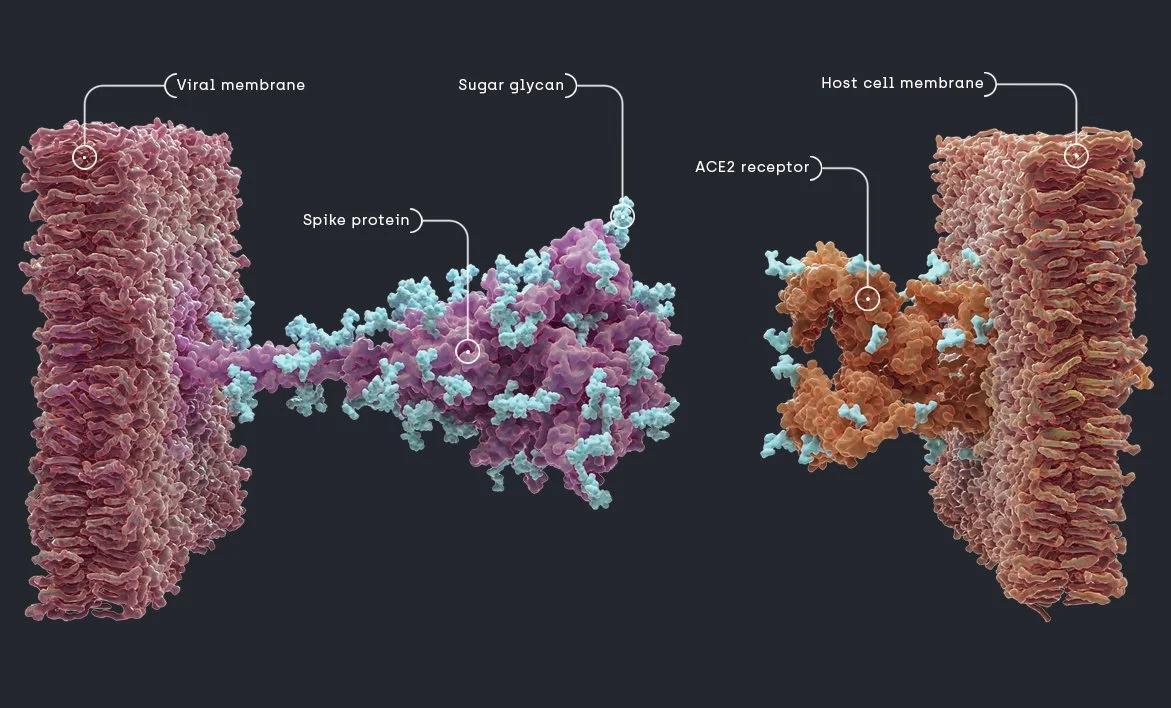
The surface of the spike protein is heavily glycosylated meaning that it has many glycans or sugars covering its surface. This is called glycosylation and the sugars help the virus evade the host's immune system by acting as a form of camouflage.
The spike protein is a trimer meaning it is composed of three sets of proteins. To bind with the ACE2 host cell receptor the spike proteins change their morphological shape. Once the virus has bound to three ACE2 receptors it can then start membrane fusion meaning it has begun the process of infecting the cell.
The spike protein is important as it is a target for therapeutics including vaccines.
Thanks for reading.
NEXU Creative
If you are interested in our services and want to find out how we can help you, click on the button below to get going.