
ANTIBODIES: PROTECTIVE PROTEINS
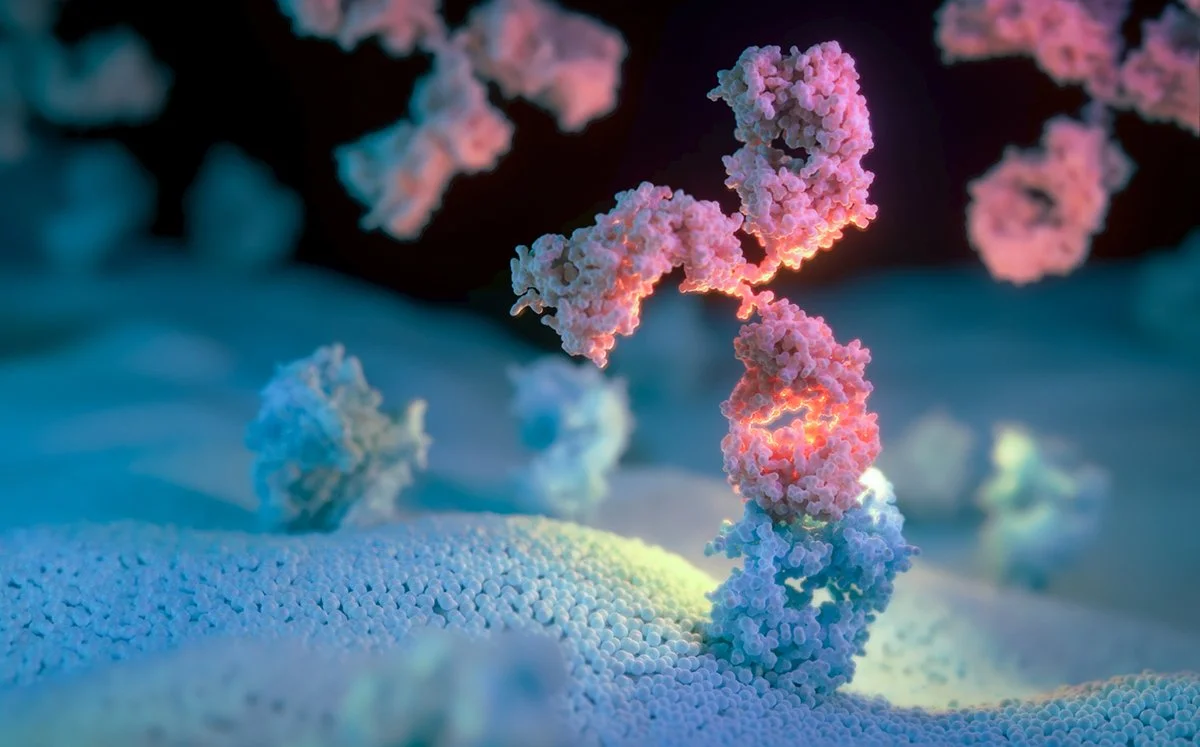
Antibodies, also known as immunoglobulins, are naturally occurring Y-shaped protective proteins found in the human body. They are circulated throughout the human body in the blood and are an important part of the immune system which the body's defense against foreign substances or pathogens such as bacteria and viruses.
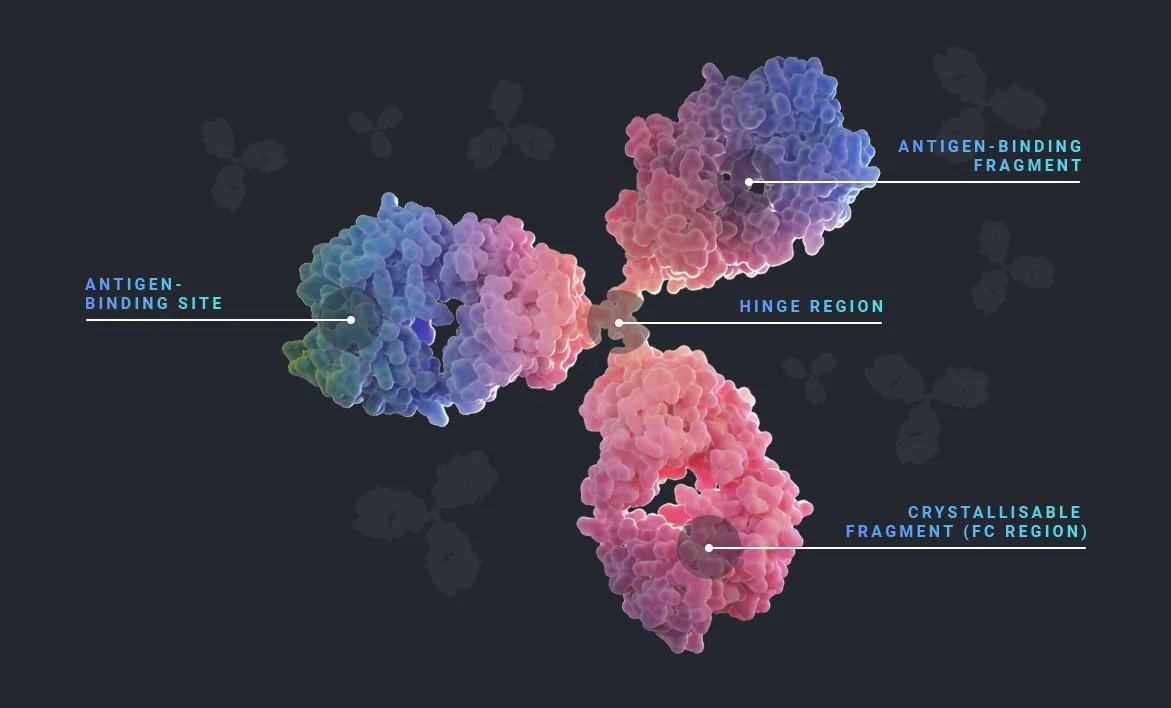
Antibodies are produced in billions of forms and are among the most abundant proteins in the blood. Once our immune system detects foreign proteins on the surface of pathogens or antigens the adaptive immune system kicks into action.
Antibodies are produced by white blood cells in the body, specifically white blood cells called B Lymphocytes or B cells.
Production is triggered when antigens and B-cells bind. The B cells then divide and mature into duplicates of identical cells called a clone. These clones are called mature B cells or plasma cells and they are able to release millions of antibodies into the bloodstream ready to fight infection.
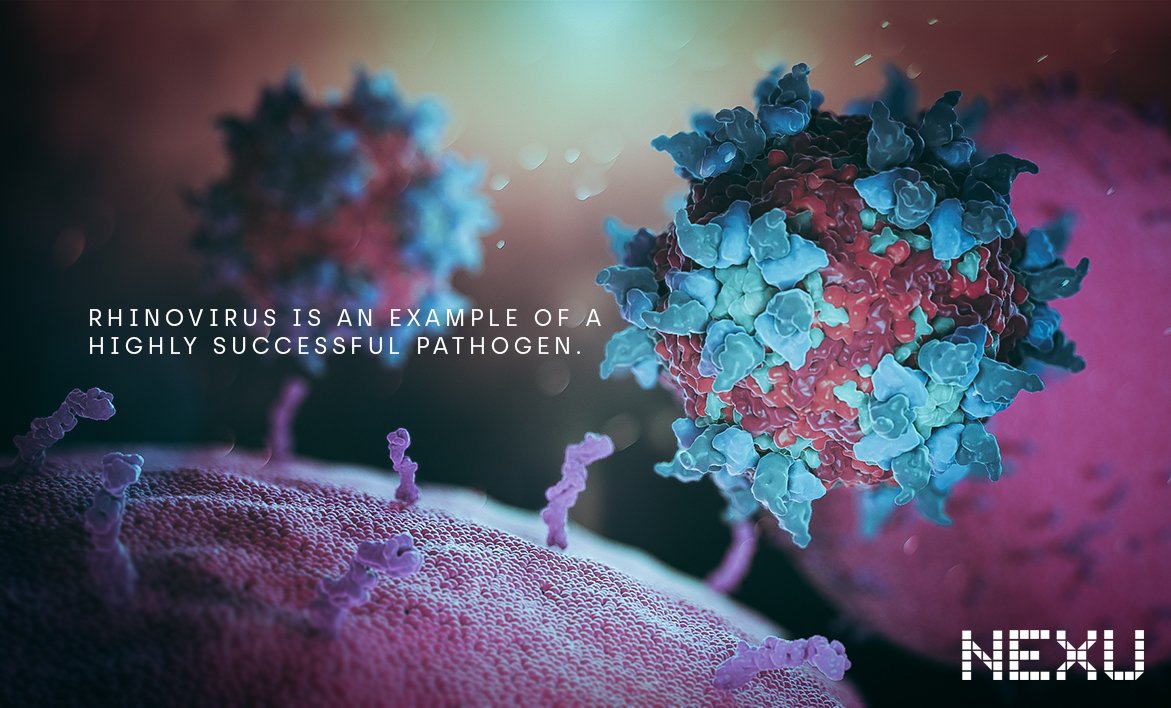
The antibodies produced by these plasma cells can attack and neutralize only the specific antigen that triggered the immune response in the first place. This means individual B cells can only trigger the immune response to a single antigen and differ from B cell to B cell.
The antibody production response to the pathogen can last for several days, however, the antibodies can remain in circulation for many months after the initial antigen threat has been neutralized. This is known as immunity.
Next time we'll look at how antibodies play an important role in COVID-19.
Thanks for reading.
NEXU Creative
If you are interested in our services and want to find out how we can help you, click on the button below to get going.